
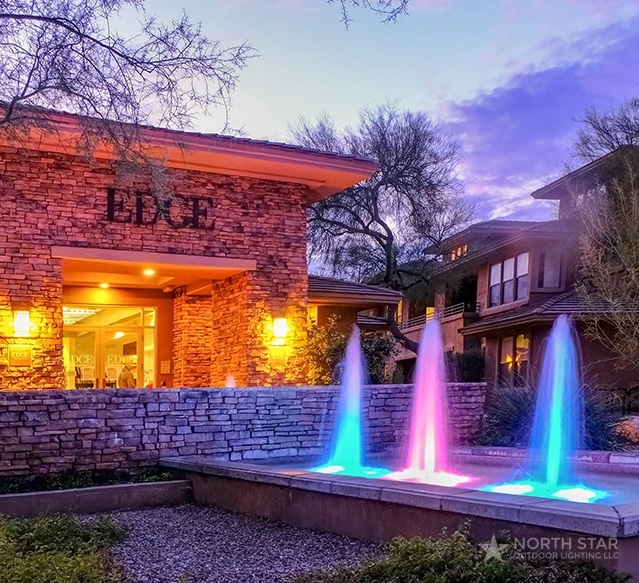
Many homeowner associations invest heavily in landscaping, amenities, and community improvements. Yet outdoor lighting often remains unchanged for years, sometimes decades. When lighting is overlooked, it quietly creates problems that affect safety, property value, and the overall appearance of the neighborhood.
Residents rely on outdoor lighting every evening. They walk dogs, visit neighbors, return home from work, and access shared amenities after sunset. When lighting systems are outdated or poorly designed, common areas become difficult to navigate, parking areas feel unsafe, and the neighborhood loses much of its visual appeal at night.
Lighting also influences how a community is perceived. A well-lit neighborhood communicates care, security, and attention to detail. On the other hand, dark entrances, dim pathways, and failing fixtures create an impression that the community is aging or poorly maintained.
For HOA boards and property managers, upgrading outdoor lighting is not simply a cosmetic improvement. It is a practical investment that improves safety, reduces operating costs, and strengthens the neighborhood’s long-term value.
Why Outdoor Lighting Matters in HOA Communities
Safety for Residents and Visitors
Outdoor lighting directly affects how safely residents can move through the community after dark. Poor lighting increases the likelihood of trips, falls, and accidents in shared areas.
Common areas that benefit from proper lighting include:
- Sidewalks and walking paths
- Parking areas and garages
- Community entrances
- Mailbox clusters
- Stairways and elevation changes
- Clubhouses, pools, and gathering spaces
When these areas are well-lit, residents can move comfortably throughout the community at night. This is especially helpful for seniors, families with children, and residents walking pets.
Clear lighting also allows drivers to see pedestrians more easily and helps residents identify uneven surfaces, curbs, and obstacles along pathways.
From an HOA perspective, improved lighting can also help reduce liability risks tied to accidents in common areas.

Crime Prevention and Neighborhood Security
Lighting helps discourage unwanted activity in a neighborhood. Dark areas around buildings, parking lots, or entrances can attract suspicious behavior.
Strategic lighting improves visibility throughout the community and removes areas where someone could hide or move unnoticed.
Areas where lighting helps improve security include:
- Community entrances
- Parking areas and garages
- Pathways between buildings
- Pool and clubhouse areas
- Perimeter walkways
Well-lit environments make it easier for residents to observe activity in the neighborhood. Lighting also helps security cameras capture clearer footage, which supports monitoring systems that some communities already use.
Residents tend to feel more comfortable when they can clearly see their surroundings at night.
Creating a Welcoming Community Environment
Lighting shapes how residents and guests experience the neighborhood after sunset. Warm, balanced lighting creates a welcoming atmosphere and highlights the community’s design.
Even simple lighting improvements can transform how the property looks at night. Landscaping, trees, and architectural features can become focal points rather than disappearing into darkness.
Many communities use lighting to highlight:
- Monument signs at entrances
- Decorative landscaping
- Mature trees
- Clubhouse architecture
- Community gathering spaces
The result is a neighborhood that feels more inviting and visually appealing in the evening.
Signs an HOA Lighting System Needs an Upgrade
Aging Fixtures and Outdated Technology
Many HOA communities are still using lighting systems installed when the neighborhood was first developed. These systems often rely on halogen or incandescent bulbs that were common years ago but are now inefficient and unreliable.
Common signs of aging lighting systems include:
- Dim or yellow light output
- Flickering fixtures
- Rusted or deteriorating poles and fixtures
- Frequent bulb replacements
- Uneven lighting throughout the community
Older fixtures may also struggle to illuminate areas effectively because they were not designed to meet modern lighting standards.
As fixtures age, maintenance costs tend to rise. HOA maintenance teams may find themselves replacing bulbs regularly or repairing failing wiring and connections.
High Energy Costs
Traditional lighting systems consume significantly more electricity than modern LED lighting.
When an HOA operates dozens or even hundreds of outdoor fixtures across the property, inefficient lighting can lead to unnecessarily high electricity bills.
Energy costs may increase even further when:
- Fixtures remain on throughout the night
- Bulbs lose brightness as they age
- Older technology requires higher wattage
Upgrading to LED lighting can dramatically reduce energy consumption while providing brighter, more consistent illumination.
Dark Spots and Poor Lighting Design
Many older lighting systems were installed with limited planning or outdated design standards. This often leads to uneven lighting across the community.
Common lighting issues include:
- Dark areas along walking paths
- Shadows between parked vehicles
- Dim lighting around entrances
- Insufficient lighting around amenities
When lighting is uneven, residents may avoid certain areas at night or feel uncomfortable walking through the neighborhood.
A professionally designed lighting system eliminates these dark areas and distributes light more evenly across shared spaces.
Benefits of Upgrading to Modern Outdoor Lighting
Improved Visibility and Safety
Modern lighting systems provide clearer and more consistent illumination. LED lighting produces natural white light that improves visibility across pathways, parking areas, and common spaces.
Examples of safety improvements include:
- Clearly lit sidewalks and walking paths
- Better visibility in parking areas
- Well-illuminated stairways and elevation changes
- Improved lighting around community amenities
These improvements help residents feel comfortable moving throughout the community at night.
Lower Long-Term Maintenance
LED lighting fixtures last significantly longer than traditional bulbs. Many LED fixtures operate for years before needing replacement.
For HOA maintenance teams, this means:
- Fewer bulb replacements
- Reduced service calls
- Less labor is spent maintaining lighting systems
Durable outdoor fixtures also withstand exposure to the elements better than older lighting equipment.
Energy Efficiency and Cost Savings
Energy efficiency is one of the strongest financial reasons HOAs upgrade outdoor lighting.
LED systems use far less electricity while producing brighter illumination. Over time, these savings can reduce the association’s operating expenses.
Lower electricity consumption can help HOAs:
- Reduce monthly utility costs
- Allocate budget to other community improvements
- Lower overall operational expenses
Some communities also pursue sustainability goals, and energy-efficient lighting supports those initiatives.
Increased Property Values
The appearance of a community influences how residents and potential buyers view the neighborhood.
Well-lit communities appear safer and better maintained. When landscaping, entrances, and shared spaces are highlighted with lighting, the neighborhood presents a more attractive image.
Lighting improvements can help:
- Strengthen curb appeal
- Highlight landscaping investments
- Create a polished and welcoming environment
Buyers often notice lighting when visiting a community in the evening, especially during home tours or open houses.
Strategic Areas HOAs Should Focus on When Upgrading Lighting
Community Entrances and Monument Signs
The entrance to a neighborhood creates the first impression for residents and visitors.
Lighting can dramatically improve how entrance features appear at night. Monument signs, landscaping, and architectural details can become attractive focal points.
Lighting options often include:
- Uplighting for monument signs
- Accent lighting for trees and landscaping
- Lighting that highlights stonework or decorative structures
A well-lit entrance communicates that the community is well-maintained and thoughtfully designed.
Walking Paths and Sidewalks
Residents frequently use walking paths for evening exercise, dog walking, or visiting neighbors.
Pathway lighting helps guide residents through the neighborhood and improves visibility without creating glare.
Effective pathway lighting includes:
- Low-profile fixtures that blend into landscaping
- Even spacing to eliminate dark gaps
- Soft illumination that improves visibility without being harsh
These lighting systems provide comfort while preserving the community’s visual character.
Community Amenities
Shared amenities often attract residents in the evening.
Lighting upgrades help make these spaces usable and safe after sunset.
Amenities that benefit from lighting include:
- Clubhouses
- Pools
- Tennis or pickleball courts
- Playgrounds
- Mailbox areas
Proper lighting allows residents to enjoy these spaces comfortably while also supporting security monitoring.
Parking Areas and Shared Spaces
Parking areas are often overlooked when installing lighting systems.
Uneven lighting can create shadows between vehicles and reduce visibility for both drivers and pedestrians.
Upgrading parking area lighting can:
- Improve driver visibility
- Reduce dark spots between vehicles
- Help residents feel safer when returning home at night
Even small adjustments in fixture placement can significantly improve lighting coverage.
Why Professional Lighting Design Matters for HOAs
Avoiding Common Lighting Mistakes
Lighting systems installed without proper planning can create problems rather than solve them.
Common mistakes include:
- Fixtures that are too bright
- Light glare shining into residents’ homes
- Uneven lighting across the property
- Fixtures that fail quickly due to poor installation
Professional designers understand how to balance lighting levels so that spaces are illuminated without creating harsh glare.
Customized Lighting Plans for Each Community
Every HOA property has its own layout, landscaping, and architectural style.
Professional lighting designers evaluate factors such as:
- Property size and layout
- Landscape features
- Traffic patterns and walkways
- Security concerns
- Aesthetic preferences of the community
With this information, designers create lighting plans that address both practical needs and visual appeal.
Professional Installation and Long-Term Reliability
Outdoor lighting systems must withstand weather, irrigation, and long operating hours.
Professional installation ensures:
- Fixtures are installed securely
- Wiring is protected from damage
- Systems operate consistently over time
High-quality materials and careful installation help avoid problems that can arise with poorly installed systems.
How North Star Outdoor Lighting Helps HOA Communities
North Star Outdoor Lighting works with homeowner associations to design lighting systems that improve safety and enhance the visual appeal of the community.
Their process typically includes:
- Evaluating the property and identifying areas that need improvement
- Designing lighting systems that complement the layout and landscaping
- Installing durable fixtures designed for long-term outdoor use
Lighting solutions may include:
- Entrance and monument lighting
- Landscape lighting
- Pathway lighting
- Security lighting
- Amenity lighting for pools and clubhouses
These systems work together to create consistent lighting across the property while highlighting the community’s best features.
Lighting That Strengthens the Entire Community
Outdoor lighting plays a major role in how residents experience their neighborhood after sunset. When lighting systems are outdated or poorly designed, the effects show up in safety concerns, rising maintenance costs, and diminished curb appeal.
HOAs that invest in lighting upgrades improve visibility, reduce energy consumption, and create a more welcoming environment for residents and guests.
If your HOA community is experiencing dark areas, aging fixtures, or rising energy costs, it may be time to evaluate your outdoor lighting system.
North Star Outdoor Lighting specializes in designing and installing lighting solutions for residential communities. Their team can assess your property and recommend upgrades that improve safety, efficiency, and appearance. Contact North Star Outdoor Lighting today to schedule a consultation and discover how professional lighting upgrades can transform your community.
Frequently Asked Questions
How often should HOA outdoor lighting systems be upgraded?
Many outdoor lighting systems begin showing wear after 10 to 15 years. Upgrading to modern LED lighting can improve performance while reducing maintenance and energy costs.
Are LED lighting upgrades expensive for HOAs?
The upfront cost varies depending on the size of the property. Many communities find that lower energy bills and reduced maintenance costs offset the investment over time.
Can outdoor lighting improve community security?
Yes. Strategic lighting improves visibility and removes dark areas that may attract unwanted activity.
Will lighting upgrades increase property values?
Well-lit communities often appear safer and better maintained, which can positively influence property value and buyer interest.
Can lighting upgrades be installed without damaging landscaping?
Professional installers design lighting systems that work with existing landscaping and minimize disruption during installation.